
The Insurance Training College (ITC) in partnership with the Uganda Insurers Association (UIA), hosted the CEO Post-Budget Breakfast Forum on 16th June 2026 at Four Points by Sheraton, Victoria Ballroom Hall. The forum brought together insurance industry leaders, policymakers, and stakeholders from various sectors to reflect on the National Budget and its implications for the insurance industry’s growth, investment and Uganda’s broader economic development.
Speaking at the forum, Mr. Saul Sseremba, Principal and CEO of the Insurance Training College, emphasized the importance of creating platforms that enable the insurance industry to actively engage with the national budget process. He noted that the forum was established to provide stakeholders with an opportunity to critically analyze the national budget, identify emerging opportunities and assess areas where the sector can strengthen its contribution to national development.

Mr. Sseremba highlighted that achieving Uganda’s ambitious development agenda requires insurance to play a central role in supporting growth across key sectors of the economy. He therefore called for insurance to remain at the forefront of national development discussions and commended the Uganda Insurers Association for its continued partnership and commitment to advancing the sector.
Mr. Jonan Kisakye, CEO of the Uganda Insurers Association, highlighted the insurance sector’s growing contribution to Uganda’s economy and the opportunities presented by the FY 2026/27 National Budget.
“The opportunity for our industry is not theoretical; it is already quantified, funded and expanding,” he said.
Mr. Kisakye revealed that the insurance sector’s total tax contribution increased by 22 percent between 2020 and 2024, rising from UGX 254 billion to UGX 309 billion. He noted that the sector continues to be a significant fiscal partner to government through taxation, employment and broader economic linkages.
He further observed that the FY 2026/27 National Budget of UGX 84.39 trillion, coupled with a projected GDP growth rate of 10.2 percent, presents significant opportunities for insurance growth. Expanding formal employment, increasing asset ownership, growth in vehicle registrations and continued investments in agro-industrialization, tourism, oil and gas and technology are expected to drive greater demand for insurance solutions across the economy.
Mr. Kisakye reaffirmed UIA’s commitment to advocating for insurance, supporting policies that expand coverage, accelerating digital and microinsurance solutions and ensuring that much of the premium generated in Uganda is retained locally.

Board Vice Chairperson of the Insurance Training College, Mr. Moses Turyomurugyendo, emphasized the importance of the national budget as a key measure of economic growth and a guide for strategic financial planning. He noted that the budget is more than a fiscal statement; it provides direction for investment and development across critical sectors such as tourism and technology, creating new opportunities for the insurance industry to provide protection and support sustainable growth.
“Insurance must increasingly be recognized as a key enabler of economic development, creating confidence that attracts investment and supports business growth,” he said.
Mr. Turyomurugyendo further noted that tax compliance is more than a responsibility; it is an essential component of building a transparent, resilient and sustainable economy.
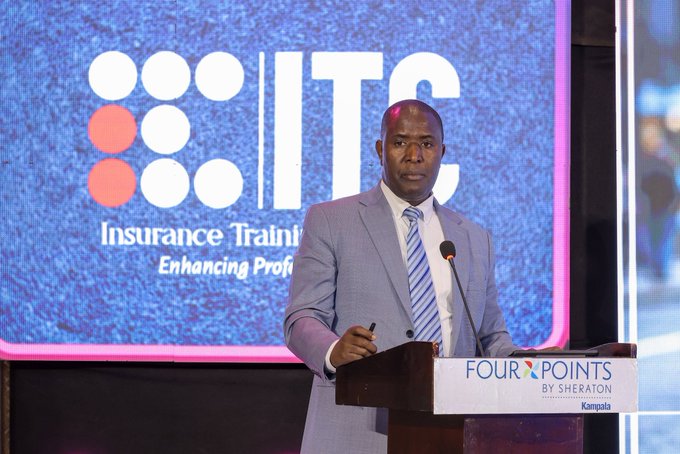
The Acting CEO of the Insurance Regulatory Authority of Uganda (IRA), Dr. Protazio Sande, commended ITC and UIA for creating a platform that brings together industry leaders to discuss the implications of the national budget on the insurance sector.
Dr. Sande observed that insurance penetration remains low largely because many Ugandans are focused on survival rather than long-term financial protection. He emphasized that the ultimate goal of the national budget should be to improve livelihoods and enable citizens to move from merely surviving to living more secure and productive lives.
“The conversation should focus on solutions that improve people’s lives and make insurance more relevant and accessible to ordinary Ugandans,” he said.
He further acknowledged that engagements with government can sometimes be gradual but stressed the importance of presenting clear, evidence-based and practical proposals that demonstrate the value of insurance to national development. Dr. Sande urged stakeholders to look beyond the numbers and focus on the real impact insurance can have on businesses, communities and the economy.

Speaking on the theme Beyond the Numbers, Mr. Julius Nandeeba, Manager of the Financial and Insurance Sector at the Large Taxpayers Office, Domestic Taxes Department of the Uganda Revenue Authority (URA), highlighted the importance of tax compliance in strengthening Uganda’s economy and creating an enabling environment for sustainable business growth.
He noted that as the insurance sector continues to expand its contribution to the economy, compliance with tax obligations and the adoption of digital solutions such as the Electronic Fiscal Receipting and Invoicing Solution (EFRIS) remain critical in promoting transparency, accountability and efficiency across the industry.
Mr. Nandeeba emphasized that discussions at the post-Budget Forum should go beyond revenue figures and focus on how the insurance sector can support national development through responsible business practices, enhanced compliance and increased formalization of economic activity.
“Beyond the numbers, compliance builds trust, strengthens institutions and creates the foundation for sustainable growth,” he noted.
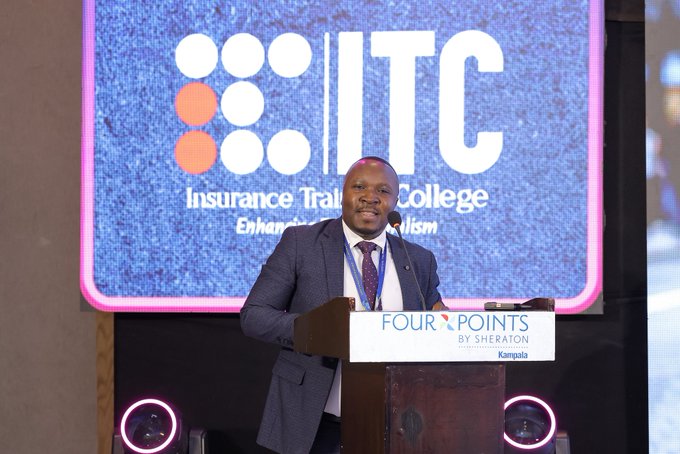
He further encouraged insurers and other industry stakeholders to embrace digital tax systems, maintain accurate records and work closely with government agencies to improve compliance levels. According to Mr. Nandeeba, this will not only strengthen revenue mobilization but also position the insurance sector as a key partner in supporting Uganda’s development agenda outlined in the FY 2026/27 National Budget.
During the panel discussion on Major Sector Pillars of Insurance, moderated by Ms. Florence Nabakibi, Assistant General Manager at ICEA Lion Life, panelists explored the opportunities and challenges shaping Uganda’s insurance sector within the country’s evolving economic landscape.
Mr. Humphrey Asiimwe, CEO of the Uganda Chamber of Energy and Minerals, emphasized the need for industry conversations to directly engage players in the mining sector using language that resonates with their operations. He noted that as the industry evolves, operational risks continue to change, creating opportunities for insurers to develop solutions that address emerging sector-specific risks.

Ms. Ritah Mutesi Kabayiza, Chairperson of the Insurance Brokers Association of Uganda (IBAU), highlighted the progress made in building industry capacity. She noted that continued investment in skills development and professional expertise is strengthening the sector’s ability to deliver innovative insurance solutions and drive sustainable growth.

Mr. John Makosya, Chief Operations and Impact Officer at Agro Consortium, underscored the importance of risk transfer mechanisms in supporting agro-industrialisation. He observed that farmers continue to face significant challenges, including drought and other climate-related risks and called for stronger collaboration among insurers, financiers and other stakeholders to enhance protection for agricultural investments and livelihoods.
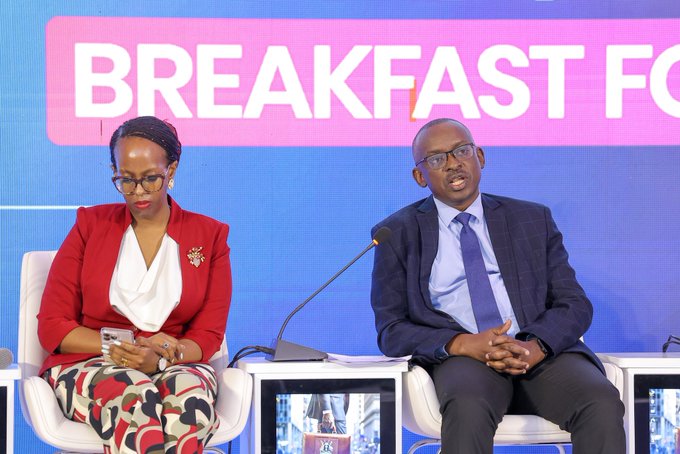
Mr. Musa Sebuufu, Manager, Risk and Actuarial Services at the Insurance Regulatory Authority of Uganda (IRA), highlighted emerging opportunities in areas such as marine cargo, digital infrastructure and other specialized risks. He emphasized the importance of strengthening industry capacity to accurately assess and price risks, enabling insurers to support major investments while maintaining sustainable underwriting practices.

The CEO Post-Budget Breakfast Forum reinforced the insurance sector’s growing role in supporting Uganda’s economic transformation. Participants called for continued collaboration between government, regulators, industry players and other stakeholders to unlock opportunities presented by the national budget, strengthen resilience across key sectors and expand insurance coverage as a catalyst for sustainable national development.