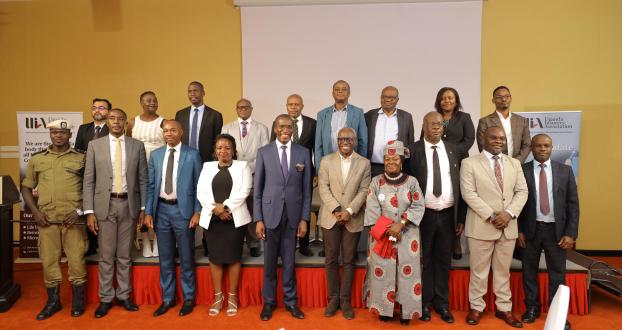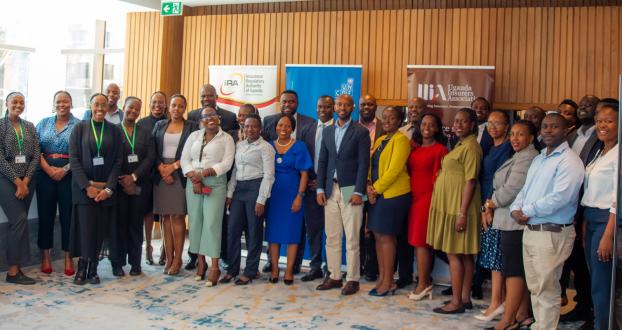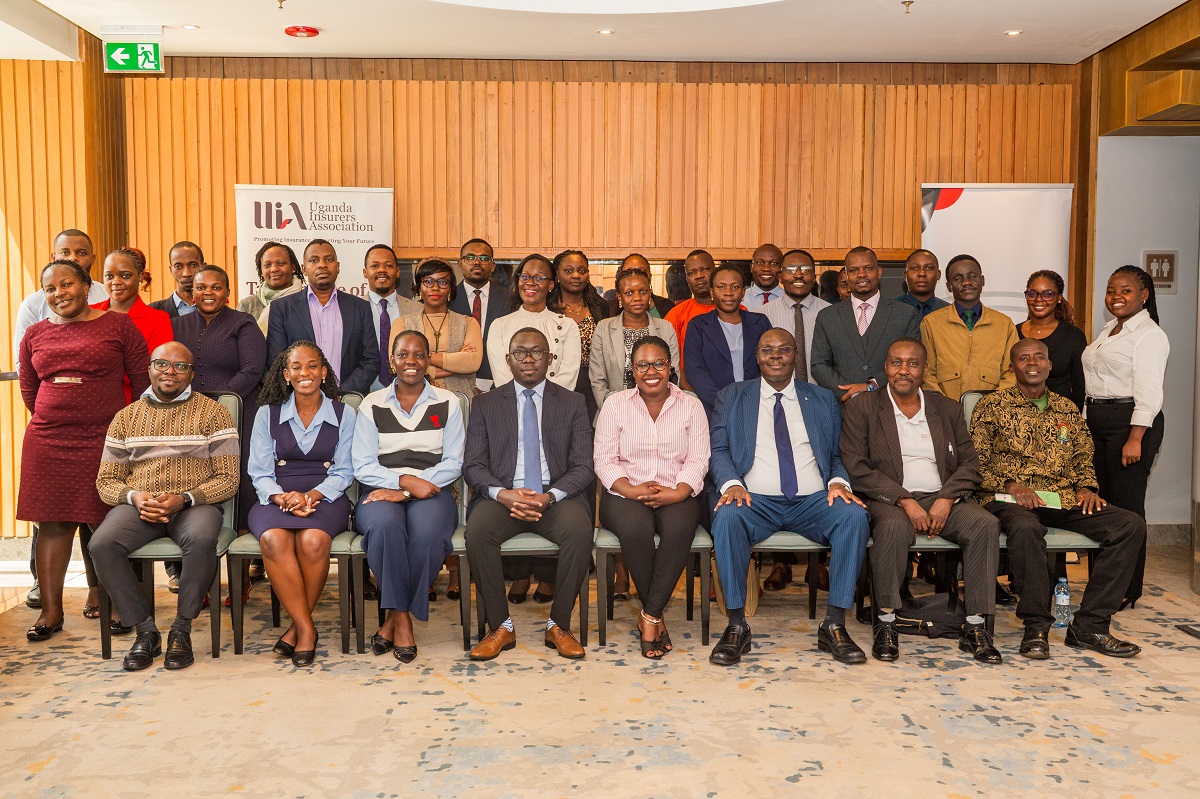
The Uganda Insurers Association (UIA), with support from the Insurance Regulatory Authority of Uganda (IRA) and Africa Risk Management and Compliance Partners (ARMC), officially launched the Risk Assessment Project at a stakeholder breakfast workshop held on 23rd June 2026, at Four Points by Sheraton Kampala.
The workshop brought together industry leaders, regulators, compliance officers and other key stakeholders to discuss the project’s objectives, methodology and implementation framework. The initiative marks a significant milestone in the insurance industry’s efforts to strengthen risk management, enhance regulatory compliance, promote data-driven decision-making and reinforce Anti-Money Laundering and Countering the Financing of Terrorism (AML/CFT) measures across Uganda’s insurance sector.
Opening the workshop, IRA Acting Chief Executive Officer, Dr. Protazio Sande, underscored the importance of conducting a dedicated risk assessment for the insurance sector.
Dr. Sande observed that as financial systems become increasingly interconnected and digitalized, criminals continue to identify new methods of exploiting vulnerabilities within legitimate institutions. He stressed that the insurance sector must remain vigilant in identifying and addressing potential money laundering and terrorist financing risks.
“This assessment will provide valuable insights into the specific money laundering and terrorist financing risks facing Uganda’s insurance industry. Understanding these risks is the first step towards developing effective and proportionate mitigation measures,” Dr. Sande said.
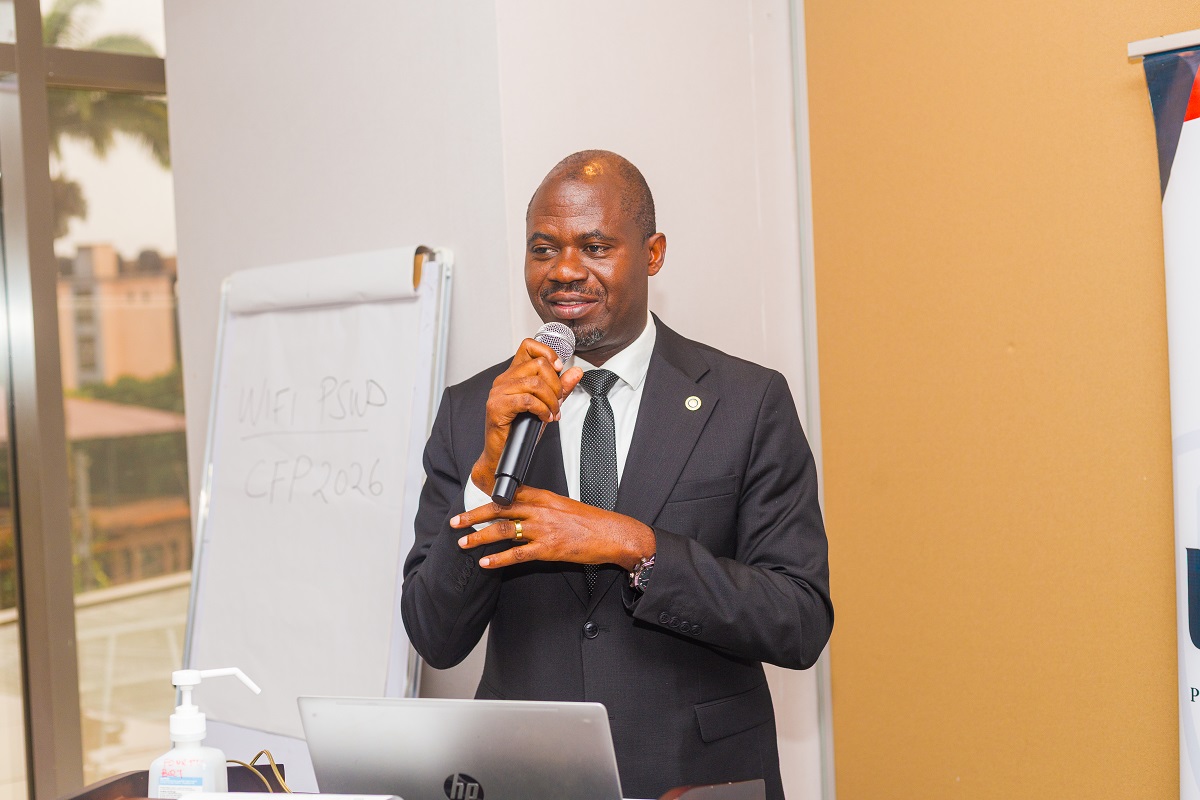
He called upon insurers and stakeholders to openly share experiences, data and best practices throughout the project to ensure that any existing gaps that could be exploited by criminal networks are identified and addressed. According to Dr. Sande, strengthening collaboration between industry players and regulators will be critical in safeguarding the integrity of the sector and maintaining public confidence in insurance services.
Speaking during the workshop, Uganda Insurers Association CEO, Mr. Jonan Kisakye, described the project as a landmark initiative for the insurance sector. “Today marks a significant milestone for our industry. For a long time, conversations around money laundering and financial crime have largely focused on the banking sector, yet the insurance industry continues to evolve rapidly through digital innovation, creating both opportunities and new vulnerabilities,” he said.
Mr. Kisakye noted that while National Risk Assessments provide valuable insights, they often focus on broader industry trends and samples rather than conducting detailed assessments of individual institutions. He explained that the new project will help bridge this gap by generating more targeted information to support effective risk management within the insurance sector.
He further emphasized the importance of safeguarding Uganda’s reputation within the global financial system. “Insurance plays an important role in protecting not only businesses and individuals but also the reputation of our financial sector. We expect this to provide the right information needed to strengthen our controls and support informed decision-making.”
Mr. Kisakye added that the findings will also help equip the Insurance Regulatory Authority with credible industry-specific data to support representation at both national and international regulatory engagements. He also encouraged all stakeholders to actively participate in the exercise, noting that meaningful collaboration is essential in building a culture of integrity, transparency and accountability across the industry.
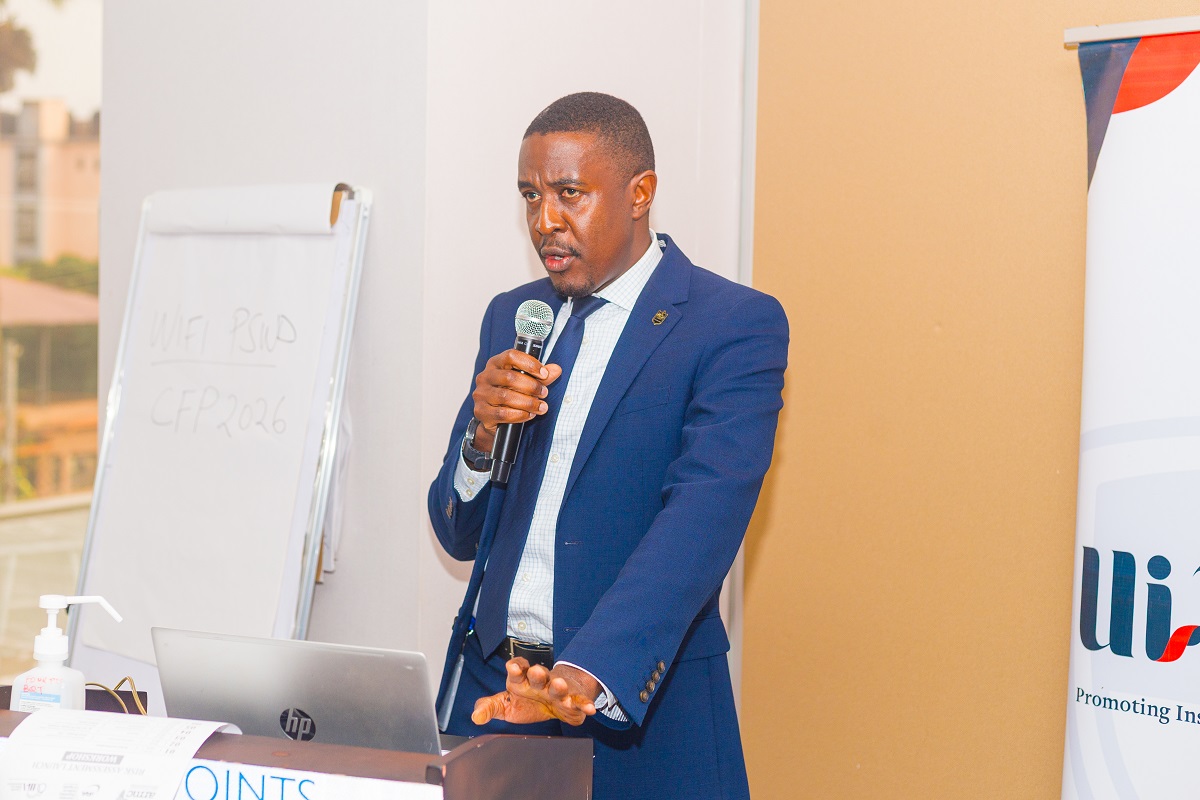
During a technical presentation on the Introduction to Risk Assessment and Protection of Data Collection Tools, ARMC Risk Assessment Project Lead, Mr. Sydney Asubo, provided an overview of the project’s methodology and expected outcomes.
Mr. Asubo explained that effective risk assessments must be evidence-based and supported by reliable data. He emphasized that the success of the exercise will largely depend on the quality, accuracy and completeness of information provided by participating institutions.
“Risk assessment is not merely a compliance exercise. It is a strategic process that enables institutions to understand where their vulnerabilities exist, evaluate potential threats and allocate resources more effectively,” he noted.
He further explained that the project will adopt a structured approach to identifying inherent risks, assessing existing controls and evaluating residual risks within the insurance ecosystem. The assessment will examine various risk indicators, including customer profiles, products and services, distribution channels, transaction patterns, geographic exposure and governance frameworks.
Mr. Asubo highlighted the importance of secure and standardized data collection tools, noting that the project has incorporated mechanisms to ensure data confidentiality, integrity and accuracy throughout the assessment process.
According to him, the findings will help generate sector-specific intelligence that can guide policy formulation, strengthen supervisory approaches, improve compliance programmes and support risk-based decision-making within insurance institutions.
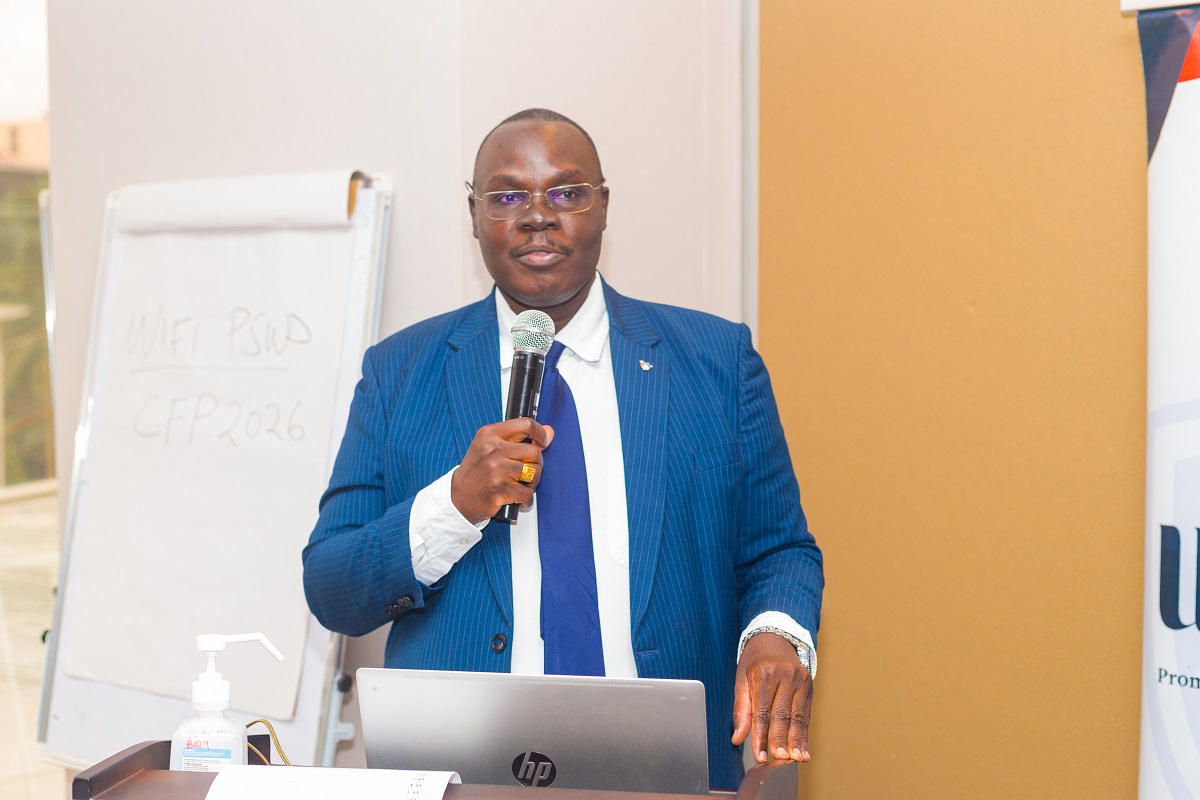
Mr. Asubo also noted that the project aligns with international best practices and recommendations under global AML/CFT frameworks, positioning Uganda’s insurance industry to better respond to evolving financial crime risks while supporting sustainable growth and innovation.
The launch of the Risk Assessment Project represents a proactive step towards strengthening Uganda’s insurance sector against emerging financial crime threats. By fostering collaboration among insurers, regulators and compliance professionals, the initiative seeks to enhance the industry’s ability to identify risks early, strengthen controls and promote greater accountability.
For the attending stakeholders the workshop led to optimism that the project’s findings will contribute to a stronger regulatory environment, improved compliance standards and a more resilient insurance sector capable of supporting Uganda’s broader economic development goals. This engagement reflects the sector’s collective commitment to strengthening governance structures, identifying emerging risks, building a more resilient and future-ready insurance industry.